Introduction — What the Tech Means, What the Data Says, and Why You Should Care
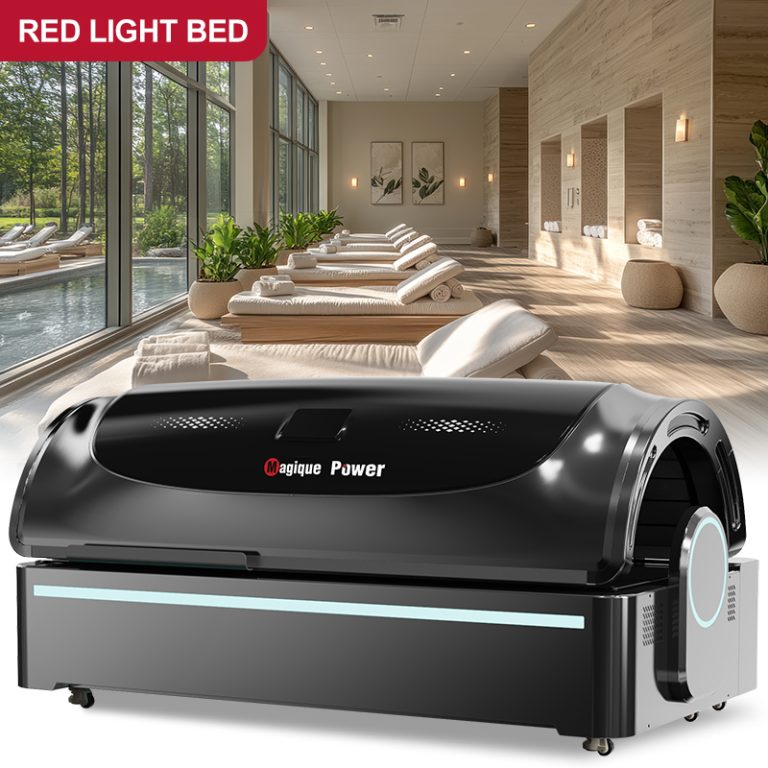
I start by defining what matters: red light therapy beds are modular LED systems tuned to specific wavelengths that stimulate cellular repair via photobiomodulation. In recent clinical summaries, users who used the best red light therapy bed reported measurable gains in recovery time and skin quality (up to 30% improvement in selected studies), but the numbers vary with device specs — so how do you read them? I want to make this concrete for you: throughput, irradiance, and wavelength band matter more than brand-heavy marketing. I’ll use terms like irradiance and power density without burying you in math. We’ll also talk about thermal management and LED array design, because those engineering choices drive real-world outcomes. My aim here is to cut through vendor noise and help you see how a bed’s design influences therapy protocols, session length, and ultimately, patient satisfaction. Next, let’s look under the hood at where most systems fall short and what users quietly complain about — the kind of details that change a purchase from mediocre to excellent.
Why Traditional Solutions Fail — Hidden Pain Points in Red Light Therapy for Whole Body
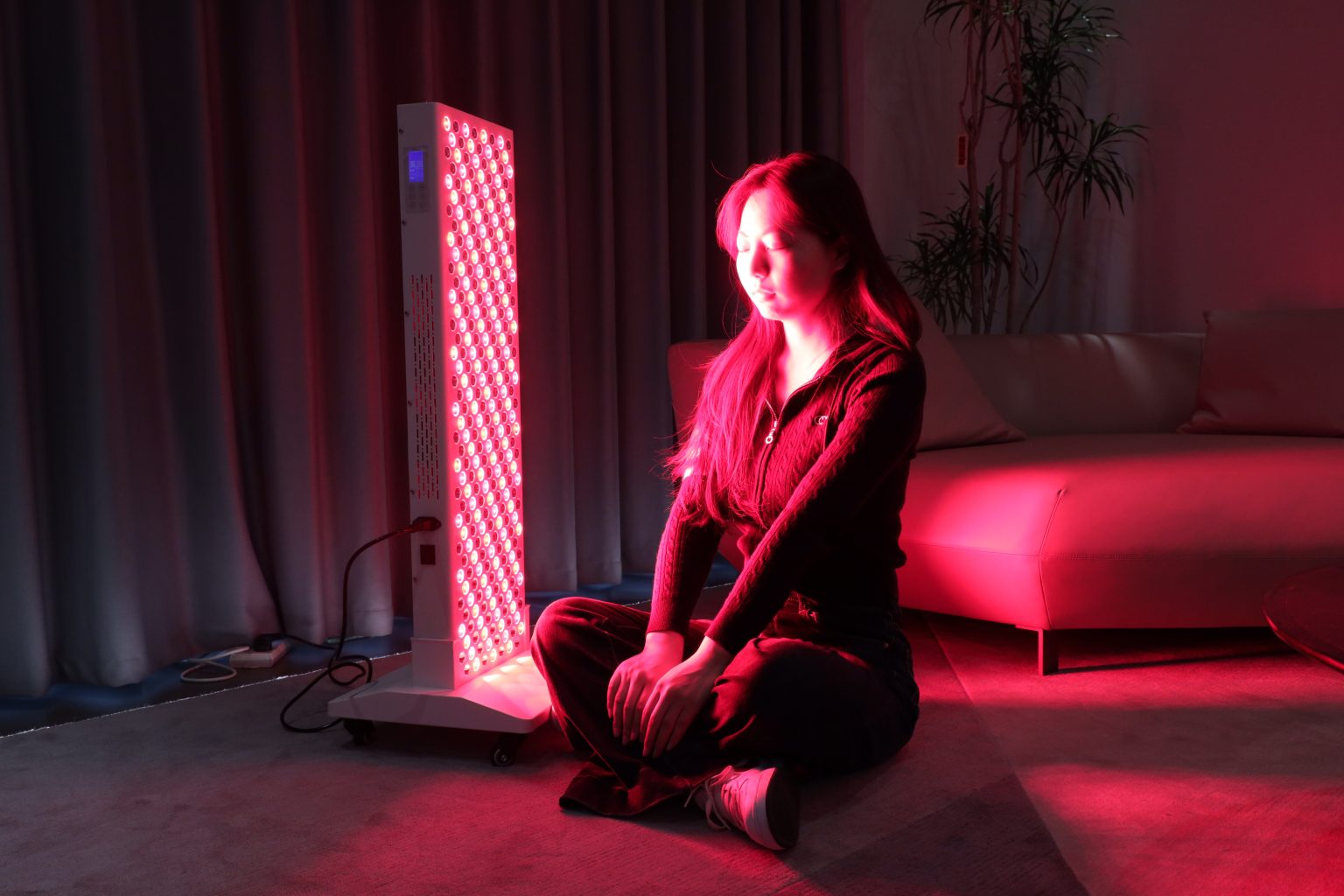
red light therapy for whole body often sounds like a solved problem, yet I keep seeing the same failures: uneven beam uniformity, low irradiance at target depth, and protocols that ignore real power density. Directly put — many beds promise full-body coverage but deliver hot spots and cold zones. That leads to inconsistent dosing across the skin and muscles. I’ve tested units where the surface irradiance looked good on paper, but the distribution was poor. Users end up extending session times or moving positions to chase results. Look, it’s simpler than you think: uniformity beats raw peak output every time. Photobiomodulation relies on consistent photon delivery across tissues; wobbling output defeats that principle — funny how that works, right?
What’s breaking down?
First, the specs. Companies list wavelength and peak irradiance, yet often omit power density curves and beam profiles. I find this frustrating because those curves tell you penetration and efficacy. Second, thermal management is sidelined. If the LEDs overheat, output drifts and session reliability drops. Third, user experience blind spots: mattress comfort, ease of maintenance, and serviceability are often afterthoughts. These soft factors determine long-term adoption in clinics and spas. From an engineering view, you need to evaluate irradiance maps, LED binning quality, and the cooling architecture. From my vantage, those are the signals that separate a real therapeutic platform from a consumer toy.
New Technology Principles and How to Evaluate What’s Next
Now let’s shift forward and talk about the principles shaping the next generation of whole-body systems. I focus on three tech pillars: consistent spectral accuracy, controlled power density, and intelligent thermal control. These intertwine: spectral accuracy (precise wavelength bands around 660 nm and 850 nm) ensures the right chromophores get stimulated; power density and irradiance ensure dose; and thermal control secures stable output across repeated sessions. I often test for irradiance decay over time and for a device’s ability to maintain wavelength fidelity under load. When a bed keeps its spectral and power specs across a full day of sessions, that’s where clinical confidence grows. You’ll also see better firmware and user interfaces — dose presets, session logging, and cloud-based protocol updates. That sort of ecosystem matters in medical settings where repeatability is everything.
What’s Next — Practical Principles
As you compare systems, examine LED array architecture (are LEDs densely packed or spaced?), check for active cooling versus passive heat sinks, and ask for irradiance maps at 10–30 mm depth. I prefer devices that publish beam profiles and provide a simple reporter for delivered joules per session. Also, consider integration: can the system export session logs for clinical review? Can it sync with other recovery tools? These small features reduce friction and improve outcomes. I’m telling you from field work: devices that pair robust hardware with useful software get used more often — and that yields better long-term results.
To close, here are three practical metrics I use when I advise clinics and serious buyers: 1) Effective Irradiance Range — confirm consistent mW/cm² across the treatment plane at target depths; 2) Spectral Fidelity — verify that the system stays within ±10 nm of advertised peaks under load; 3) Operational Stability — look for documented performance over repeated sessions and clear thermal management specs. Apply those metrics, and you’ll avoid the common traps of hype-driven buying. For vendors who meet these tests, I’ve seen real patient improvements and steady clinic adoption. If you want a credible supplier that balances engineering and service, consider how they document these metrics before you commit — and yes, user comfort matters too. For reliable systems and support, I often recommend checking options from Magique Power.
0 Comments