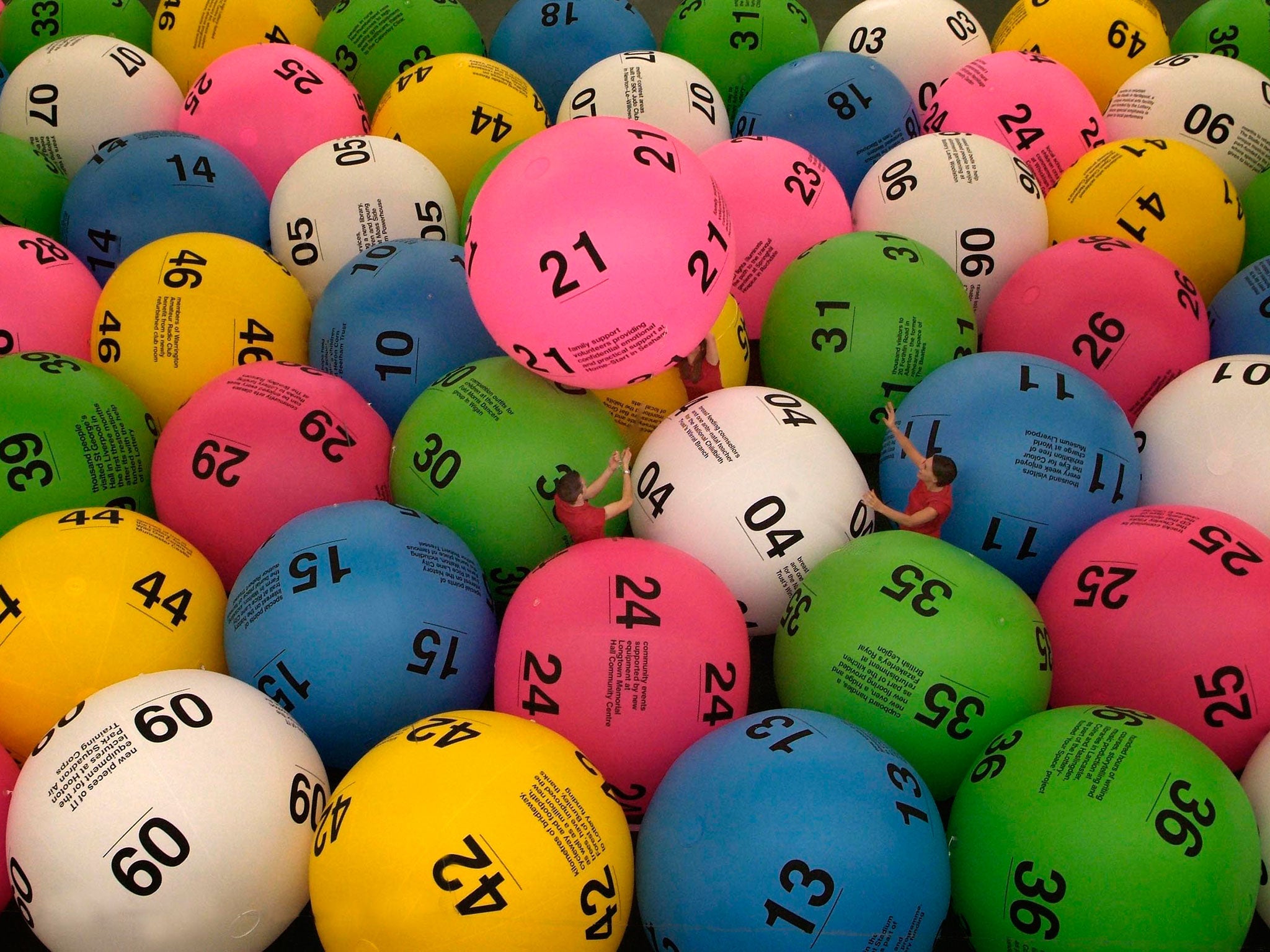
For many people, buying a lottery ticket is a small investment in a dream—a chance to escape the daily grind and imagine a life of wealth and freedom. The thrill of waiting for the numbers to be drawn can be intoxicating, and the hope of winning a life-changing jackpot is enough to pull millions into playing regularly. Yet, as fun as the lottery may seem TC NEWS, it’s essential to step back and understand the actual likelihood of hitting the jackpot. Is this entertainment worth the money spent? Or are players simply buying false hope?
2. Understanding the Odds of Winning
The truth is stark: the odds of winning most major lottery jackpots are extremely low. For example, the chance of winning the Powerball jackpot is roughly 1 in 292 million, and for Mega Millions, it’s about 1 in 302 million. To put those numbers in perspective, you’re far more likely to be struck by lightning, become a movie star, or even be born with identical quadruplets. These odds mean that for most players, winning the big prize is practically impossible. Smaller prizes offer better chances but typically pale in comparison to the astronomical jackpots advertised.
3. The Cost of Playing Over Time
Many players underestimate how much money they spend on tickets over months or years. Spending just $5 a week on lottery tickets adds up to $260 a year. Over a decade, that’s $2,600—money that could be saved or invested for real returns. While some players view the lottery as harmless entertainment, others may develop a habit that can strain their finances, especially if they chase losses. It’s important to consider whether the excitement and dream of winning justify the steady outflow of cash.
4. The Role of Luck and Randomness
Lotteries operate on pure chance, meaning no skill, strategy, or system can improve your odds. Every number combination is equally likely to be drawn, and past results do not influence future draws. This randomness ensures fairness but also means that “winning systems” are nothing more than myths. Unlike games of skill or strategy, the lottery relies entirely on luck. Therefore, it’s crucial to approach playing with the mindset of entertainment rather than investment or guaranteed returns.
5. When Playing the Lottery Makes Sense
Despite the long odds, many people find value in playing the lottery as a form of low-cost entertainment with the added thrill of potentially winning big. For those who can afford it, setting a strict budget and treating lottery tickets like a small indulgence—similar to going to a movie or dining out—can keep the experience fun without financial risk. Additionally, joining lottery pools or syndicates can spread the cost and increase the number of tickets played, albeit with shared winnings. The key is moderation and responsibility.
6. Final Verdict: Weighing Hope Against Reality
Ultimately, whether playing the lottery is worth it depends on individual perspective. If you understand the slim odds and play for fun within a controlled budget, it can be an exciting pastime. However, if you expect the lottery to be a reliable way to get rich or solve financial problems, you’re setting yourself up for disappointment. The lottery is a game of dreams, not guarantees. By being informed and realistic, players can enjoy the experience while safeguarding their financial well-being.
0 Comments